The 5 scams targeting Prime Day shoppers
Tap any card to see red flags and what to do.
Scammers exploit Prime Day excitement by mimicking Amazon's deals environment. They create fake Amazon Prime renewal notices claiming you must act immediately—pay now or lose access to the service. The urgency is manufactured to stop you thinking clearly.
🚩 Red flags- A call or email insisting your Amazon Prime renewal has a problem and you must pay immediately
- A payment link in an email or text—real Amazon doesn't send you to external payment pages
- Extreme urgency: "act now or lose access"
- Sender address is anything other than @amazon.com
- The message doesn't appear in Your Account → Message Center on Amazon
Fraudulent sellers inflate their reputation using fake reviews (often generated through brushing scams) to make junk products appear trustworthy. During Prime Day, these listings are harder to distinguish from legitimate deals because shoppers are moving quickly.
🚩 Red flags- A product has hundreds of 5-star reviews but a recent history (new seller account)
- Reviews sound generic, repetitive, or suspiciously glowing with no specifics
- Dozens or hundreds of reviews arrived within a few days—a sign of bulk fake accounts posting all at once
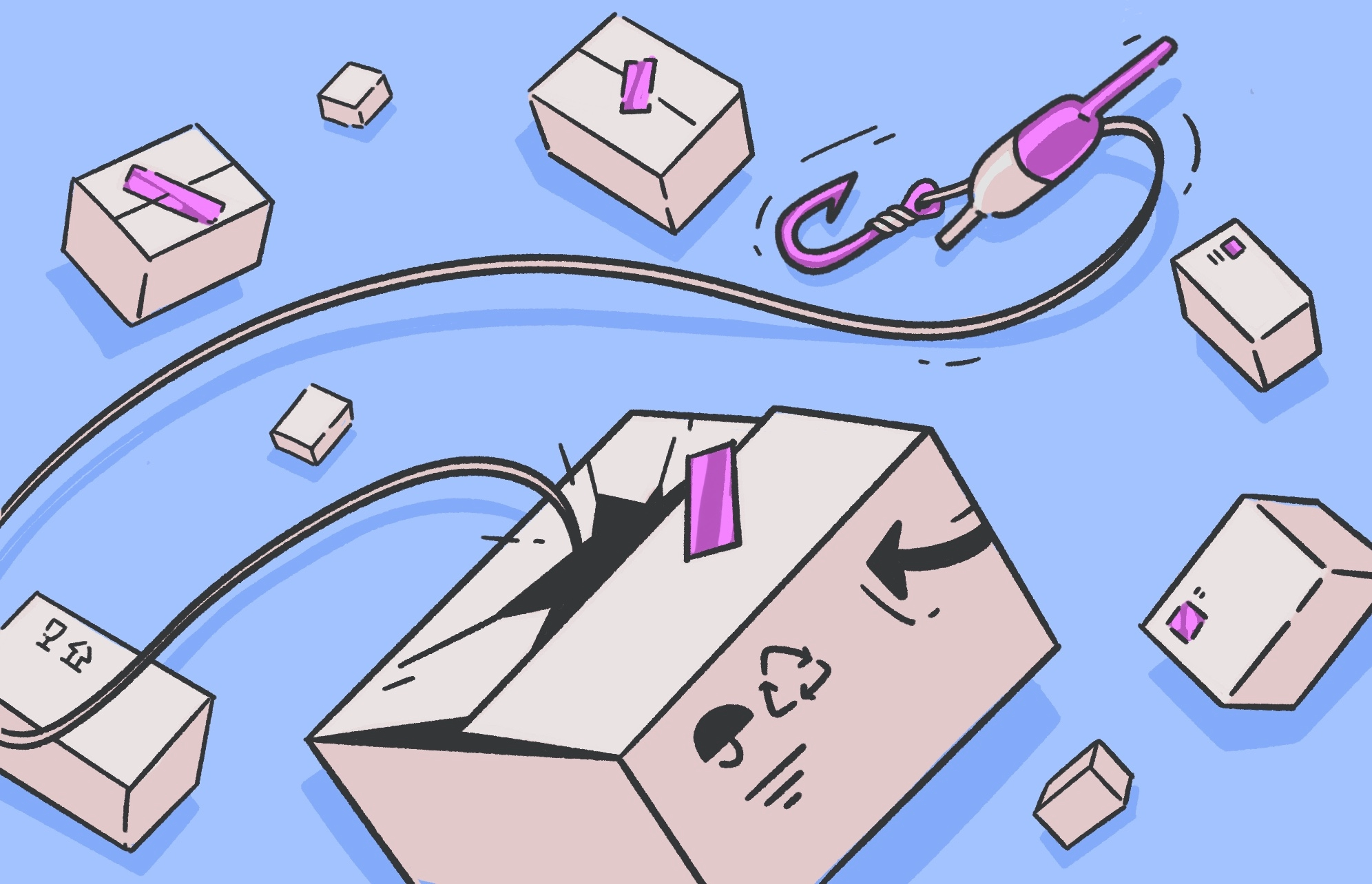
Attackers impersonate Amazon customer support via email, text, or phone call. They claim your account has been compromised or hacked, then pressure you to hand over login credentials, linked bank account details, one-time codes, or remote access to your device.
🚩 Red flags- Email sender address is not @amazon.com
- The message doesn't appear in Your Account → Message Center on Amazon
- Links containing IP addresses (e.g., http://203.0.113.45/login)—always fraudulent
- Text messages from a long or international number (real Amazon package updates come from shortcodes)
- Contact via social media DMs—Amazon support doesn't use Twitter/X or Instagram
- Requests for your password, one-time verification code, or remote device access
- Unsolicited call or message claiming your account was hacked or has a security problem
- Poor grammar, spelling errors, or awkward phrasing
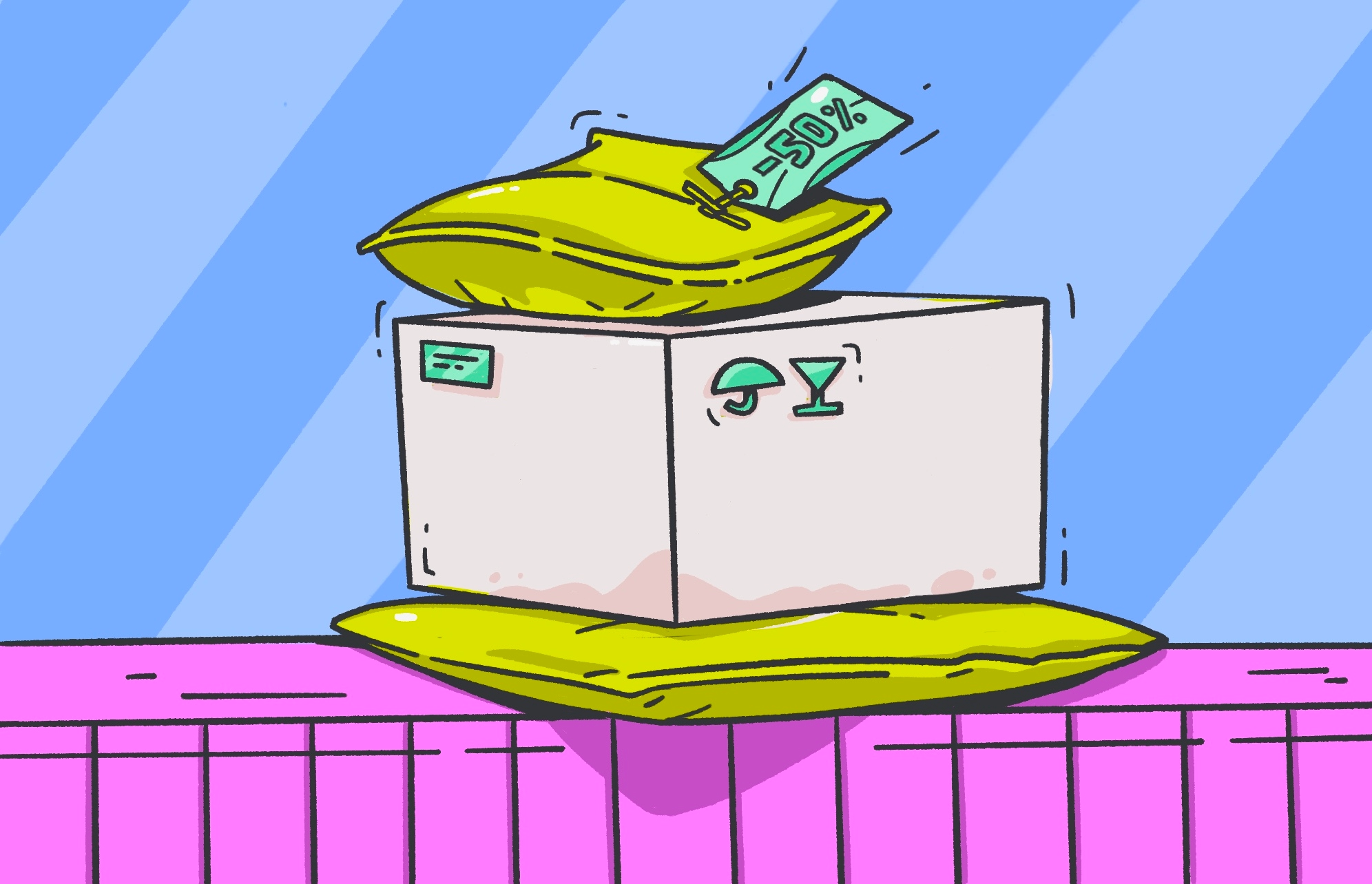
Disreputable Amazon vendors buy or steal your name and address (often from dark web data breaches), create fraudulent Amazon accounts in your name, place fake orders for their own cheap products, ship them to you for free, then post glowing 5-star reviews using your identity. The mailing label has your address but no return address.
🚩 Red flags- You receive packages you didn't order from unknown senders
- The parcel has your name and address but no return address
- Contents are cheap, random, or useless items—plain carrier packaging, no Amazon branding
- You may find reviews posted on Amazon in your name that you didn't write
Fraudsters use multiple techniques to get you to pay with Amazon gift cards or wire transfers—methods that are essentially untraceable and non-reversible. A real Amazon customer support agent will never request payment in gift cards or wire transfers under any circumstances.
🚩 Red flags- Any request to pay using Amazon gift cards—this is always a scam
- Requests for wire transfers or cryptocurrency payments
- A seller claiming to have refunded you too much and asking you to return the difference
- Being asked to read out gift card numbers over the phone
- Any urgency around making a payment quickly before you have time to think
Red flag quiz—can you spot the scam?
Read each scenario. Choose what you would do. Instant feedback follows.
The sender's address: [email protected]
Pre-purchase checklist
Run through this before completing any Prime Day purchase. Tap each item to check it off.